

Thyroid & Metabolic Reset
/
It’s late January. The holiday decorations are down, the champagne flutes are put away, but your energy levels haven't bounced back. You feel uncharacteristically sluggish, your "brain fog" is making focused work difficult, and perhaps that holiday weight isn't budging despite returning to your usual fitness routine.
It’s tempting to dismiss this as standard "post-holiday fatigue" or just the winter blues.
But as we recognize Thyroid Awareness Month, it is crucial to ask a deeper, more clinical question: Is your body’s master engine misfiring? It’s not just in your head—your thyroid might be the vital, missing piece in your 2026 energy puzzle.
At our clinic, we find that January is often when subclinical metabolic issues finally surface after the stress and excess of the previous months. Here is why a comprehensive look at your thyroid is the most important reset you can do this month.
The "Normal" Trap vs. Optimal Health
The most common frustration we hear from new concierge patients is this: "I feel terrible, but my previous doctor said my labs were normal."
In standard primary care, thyroid screening often begins and ends with a TSH (Thyroid Stimulating Hormone) test. If your result falls anywhere within a very wide statistical "reference range"—based largely on a sick population—you are labeled "fine."
In concierge medicine, "statistically normal" is not our goal. Optimal is our goal.
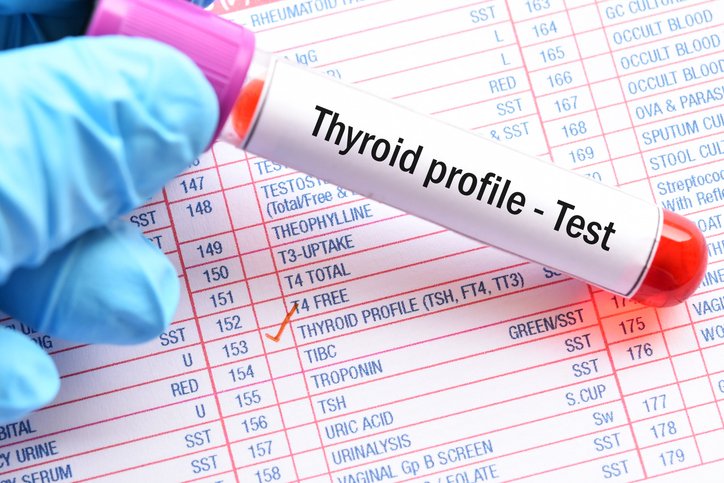
A TSH score that is technically "in range" can still leave you experiencing significant symptoms of a slowed metabolism. We don't just look at the signal from the brain (TSH); we look at the actual circulating hormones. A true metabolic assessment demands a full panel, including Free T3 (the active hormone), Free T4 (the storage hormone), Reverse T3 (the "brake pedal"), and thyroid antibodies to rule out autoimmune processes like Hashimoto’s.
Understanding the Spectrum: Hypo vs. Hyper
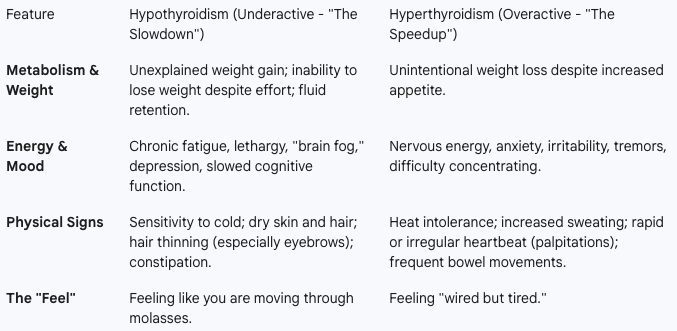
Your thyroid acts as the body's thermostat and throttle. When it is improperly regulated, it affects nearly every system in your body. While many are familiar with the weight gain associated with an underactive thyroid, the symptoms are often far more nuanced.
Here is a quick visual guide to how thyroid dysfunction manifests at opposite ends of the spectrum:
(Visual: Comparison Chart of Thyroid Dysfunction)
The Holiday Hangover: Stress and Your Metabolism
Why does this often rear its head in January?
The preceding two months are usually a "perfect storm" of metabolic disruption: travel stress, disrupted sleep architecture, high-sugar diets, and alcohol intake.
Crucially, chronic stress—and the resulting spike in cortisol—directly impacts thyroid function. High cortisol levels can suppress TSH production and, more importantly, inhibit the conversion of inactive T4 hormone into the active T3 hormone your cells actually need for energy.
Essentially, holiday stress puts the metabolic brakes on right when you are trying to accelerate into the New Year.
Fueling the Reset: Personalized Nutrition over "Detoxes"
If your thyroid is struggling, a generic "January Juice Cleanse" or extreme caloric restriction is the worst thing you can do. Drastic calorie cuts signal starvation to the body, further down-regulating your thyroid to conserve energy.
A true metabolic reset requires precision nutrition. Crucially, about 20% of your thyroid hormone conversion happens in your gut microbiome. If your gut health is compromised by inflammation or dysbiosis, your metabolism will suffer regardless of your medication or exercise routine.
We focus on personalized nutritional protocols—supported by advanced micronutrient testing—to ensure you have the selenium, zinc, and iodine necessary for thyroid function, alongside gut-healing protocols to maximize hormone conversion.
Your Next Step: Define Your 2026 Baseline
Don't settle for feeling merely "okay" this year. If you suspect your metabolic engine needs a tune-up, guesswork won't cut it. You need data.
Contact us today to schedule a Full-Panel Metabolic Screening this month. Let’s move beyond standard lab ranges and define an optimal baseline for your long-term energy and resilience.
For more information about joining WellcomeMD, please contact our membership director, Kayla Bowery. Call her at (804) 409-8559, or email her at kayla.bowery@wellcomemd.com.
