

The New Food Pyramid for 2026
/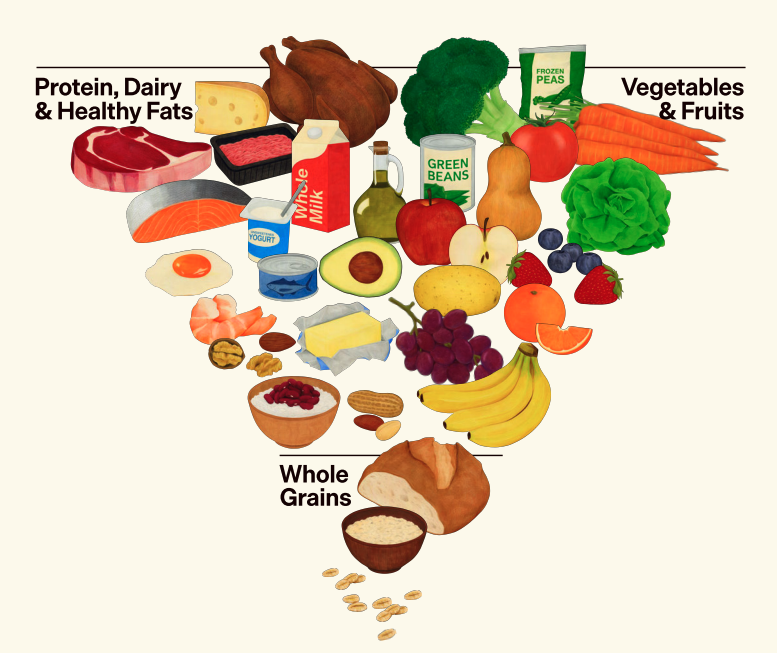
The start of 2026 has brought a seismic shift to the American dinner plate. On January 7, the USDA and HHS unveiled the 2025–2030 Dietary Guidelines for Americans, and it’s unlike anything we’ve seen in decades. The iconic "MyPlate" is out, and a new, inverted food pyramid is in—one that prioritizes protein and whole foods while "declaring war" on added sugars.
To help us navigate these changes, we sat down with our health coach, Gregory Anthony, a Certified Nutritionist by The Cleveland Clinic, to get his take on what this means for your health.
The New 2026 Framework: "Real Food" First
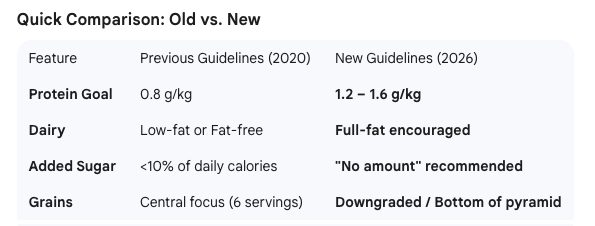
The biggest headline of the new guidelines is the move toward a 1.2 to 1.6 grams of protein per kilogram of body weight daily recommendation—a significant jump from the old 0.8 gram standard. The visual pyramid has been flipped, placing protein, healthy fats, and vegetables at the wide top, while grains and fruits occupy the smaller sections below.
A Win for Metabolic Health
Greg is optimistic about several core changes, noting that the emphasis on nutrient density is a major step forward.
Protein & Healthy Fats at Every Meal: These are essential for satiety and overall health.
The Full-Fat Dairy Shift: The guidelines now encourage full-fat dairy for its essential fatty acids, moving away from the "fat-free" era.
The War on Processed Foods: For the first time, federal guidelines explicitly urge Americans to avoid ultra-processed foods.
"The best thing they called out was to avoid ultra-processed food, which is a very, very good general guideline," says WellcomeMD Health Coach, Gregory Anthony.
The Critique: What’s Missing?
While the shift toward "real food" is a victory, there are several gaps that could leave Americans with an imbalanced plate if followed too literally.
1. The "Fiber Gap"
One of the most glaring omissions, according to Greg, is the lack of a loud, clear message on fiber.
Why it matters: Fiber regulates blood sugar, maintains gut health, and keeps you full.
Greg’s Take: "There is literally zero controversy regarding the importance of dietary fiber. It is critical to a healthy gut and slows the rate of food absorption."
2. The Protein Source Problem
While the guidelines push for more protein, Greg cautions against a meat-heavy approach.
The Risk: Americans typically already consume enough daily protein. If we increase intake, we suggest it should come from plant sources to avoid the pitfalls of excessive animal fat.
3. Saturated Fat & Sustainability
The guidelines "end the war on saturated fat" by promoting butter, tallow, and full-fat dairy.
The Concern: This may not be suitable for everyone. Increased saturated fat is still linked to cardiovascular disease risk. Furthermore, a diet heavily focused on animal proteins and fats may not be sustainable long-term for the planet or the individual.
The Bottom Line: Balance is Personal
The new pyramid is a "flexible framework," but it isn't a one-size-fits-all solution. As the guidelines themselves suggest, you must consider your personal health history and dietary needs.
"As a nutritionist, I encourage people to fill their plates with a mix of colorful produce, and the new pyramid gives people an idea of some potential foods to eat," Greg concludes.

Greg Anthony is a health coach at WellcomeMD’s clinic in Richmond, VA. Greg earned his bachelor’s and master’ degrees from Virginia Commonwealth University and received his certification in stress-management from the Mayo Clinic. His deep experience working with patients that are pre-diabetic, have preeclampsia, borderline high cholesterol and helping clients quit tobacco taught him the first step to any wellness plan is usually stress management.
